Global Marine Conditions in March
March marks the seasonal equinox, bringing early autumn to the Southern Hemisphere and the onset of spring to northern tropical waters. Ocean conditions across the globe begin transitioning: winter storm systems in the North Atlantic and North Pacific diminish, while equatorial basins experience warming sea temperatures and exceptional water clarity.
                  GLOBAL MARCH SNORKELING MATRIX
┌────────────────────────┬─────────────┬─────────────┬─────────────────────┐
│ Ocean Basin            │ Water Temp  │ Visibility  │ Seasonal Highlights │
├────────────────────────┼─────────────┼─────────────┼─────────────────────┤
│ Western Australia      │ 26°C – 28°C │ 15m – 30m   │ Ningaloo Spawning   │
│ Caribbean & Mexico     │ 26°C – 27°C │ 15m – 25m   │ Spring Trade Winds  │
│ Hawaii (Kona / Oahu)   │ 24°C – 26°C │ 18m – 30m   │ Spring Calms Begin  │
│ Arabian Sea (Oman)     │ 25°C – 27°C │ 15m – 25m   │ Daymaniyat Peak     │
│ Southeast Asia         │ 28°C – 30°C │ 20m – 35m   │ Dry Season Similans │
└────────────────────────┴─────────────┴─────────────┴─────────────────────┘
In Western Australia, March brings calm autumn conditions to the Ningaloo Coast, setting the stage for annual mass coral spawning events and the arrival of pelagic filter feeders.
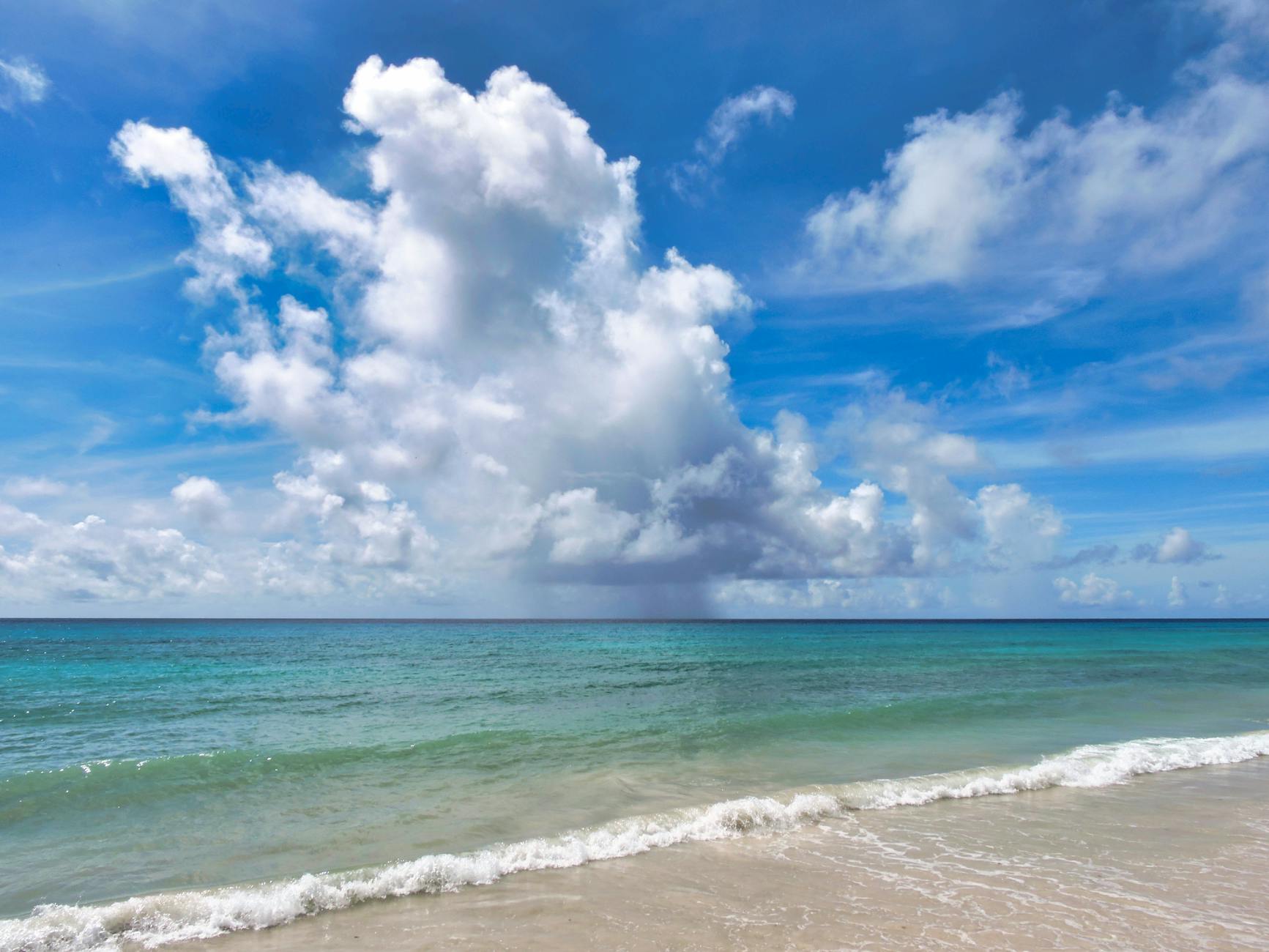
In Southeast Asia (Thailand, Philippines, Malaysia), the dry northeast monsoon delivers flat, glassy seas to the Andaman Sea and Coral Triangle. In the Mediterranean, water remains cool (15°C–17°C), but warming trends begin across southern Greek and Turkish archipelagos.
Key Chelonian Wildlife Phenomena in March
       MARCH BIOLOGICAL CALENDAR HIGHLIGHTS
═════════════════════════════════════════════════════════════════════
  🐢 Ningaloo Reef (WA)          ──► Mass coral spawning & lagoon grazing
  🐢 Tortuguero (Costa Rica)     ──► Atlantic Leatherback nesting kick-off
  🐢 Arabian Sea (Oman)          ──► Daymaniyat Islands Hawksbill peak
  🐢 Andaman Sea (Similan Is.)   ──► Peak calm seas & Green turtle drifts
═════════════════════════════════════════════════════════════════════
1. Ningaloo Reef: Coral Spawning & Megafauna
Along the Ningaloo Coast in Western Australia, March is an extraordinary ecological month. Roughly 7 to 10 days after the March full moon, the entire barrier reef participates in synchronous mass coral spawning. The resulting nutrient pulse attracts whale sharks and manta rays, while the shallow sandy lagoons of Coral Bay are alive with foraging Green sea turtles , Loggerheads , and endemic Flatback turtles .
2. Atlantic Leatherback Nesting Kick-Off
On the Caribbean coast of Central America (particularly Tortuguero National Park in Costa Rica and Bocas del Toro in Panama), late March marks the beginning of the annual Leatherback turtle nesting season. Massive female Leatherbacks begin hauling out onto remote high-energy surf beaches under cover of darkness to deposit their first clutches of the year.
3. Arabian Sea & Gulf of Oman Calms
March brings warm, mild weather and calm surface conditions to the Daymaniyat Islands Nature Reserve in Oman. Resident Hawksbill turtles actively forage across vibrant coral walls and rocky drop-offs in 3 to 10 meters of clear turquoise water.
Top 5 Audited Sanctuaries to Visit in March
  1. Ningaloo Reef - Coral Bay (Western Australia) ──► 98% Sighting Rate
  2. Daymaniyat Islands (Muscat, Oman)             ──► 95% Sighting Rate
  3. Kahalu'u Beach Park (Kona, Hawaii)            ──► 95% Sighting Rate
  4. Similan Islands (Phang Nga, Thailand)         ──► 92% Sighting Rate
  5. Akumal Bay (Riviera Maya, Mexico)             ──► 95% Sighting Rate
1. Ningaloo Reef (Coral Bay), Australia
Ningaloo is one of the world’s largest fringing coral reefs, where the reef crest lies merely 100 to 300 meters from the white sand shoreline. In March, autumn brings light winds and 26°C water. You can step directly off Bills Bay into calm turquoise shallows where wild Green and Loggerhead turtles graze on algae in water less than 2 meters deep.
2. Daymaniyat Islands, Oman
An archipelago of nine uninhabited limestone islands located 18 kilometers off the Omani mainland, the Daymaniyat Islands are a strictly protected marine reserve. March offers supreme visibility (20m+) and calm seas, allowing snorkelers to drift above dozens of feeding Hawksbill and Green turtles.
3. Kahalu’u Beach Park (Kona, Hawaii)
Situated along the sunny, volcanic Kona coast of Hawaii’s Big Island, Kahalu’u is a natural, shallow tide-pool bay protected by an offshore basalt breakwater. In March, spring sunshine warms the bay, where dozens of Hawaiian Honu graze on limu (red and green algae) in knee- to waist-deep water.
4. Similan Islands, Thailand
Located in the Andaman Sea off Phang Nga Province, the Similan Islands National Park enjoys peak calm weather and glassy surface conditions in March. Massive granite boulders surrounded by hard corals provide shelter for resident Green and Hawksbill turtles in 5 to 12 meters of crystal water.
5. Akumal Bay, Mexico
Akumal remains a premier Caribbean snorkeling hub in March. Spring delivers sunny weather, 26°C–27°C water, and active morning grazing circuits inside the buoyed CONANP conservation area.
The March Morning Snorkel Routine
                  MARCH EXPEDITION SCHEDULE
  ┌─────────────────────────────────────────────────────────────┐
  │ 07:15 AM ──► Check wind speed & high tide timing            │
  │ 07:45 AM ──► Gear up: UPF rashguard, defogged silicone mask │
  │ 08:15 AM ──► WATER ENTRY: Glassy surface, pristine clarity  │
  │ 09:15 AM ──► 60-minute quiet, non-invasive wildlife session │
  │ 10:00 AM ──► Exit before midday glare and boat traffic      │
  └─────────────────────────────────────────────────────────────┘
In March, spring trade winds in the Caribbean and Pacific can build by late morning. Plan your snorkeling between 07:45 AM and 10:00 AM. This window coincides with morning high tides that allow easy swimming over shallow reef flats while keeping you ahead of commercial day-trip catamarans.
Essential Gear & Packing Strategy for March
- Sun & Sting Protection: Wear a long-sleeve UPF 50+ rashguard to eliminate the need for chemical sunscreen on your torso, and apply non-nano mineral zinc sunscreen on your face and neck.
- Mask & Snorkel: Pack a low-volume tempered glass mask with downward teardrop lenses to keep track of turtles grazing below you.
- Camera Rig: A floaty grip and a red optical filter help capture true-to-life colors in tropical waters between 2 and 6 meters deep.