Global Marine Conditions in February
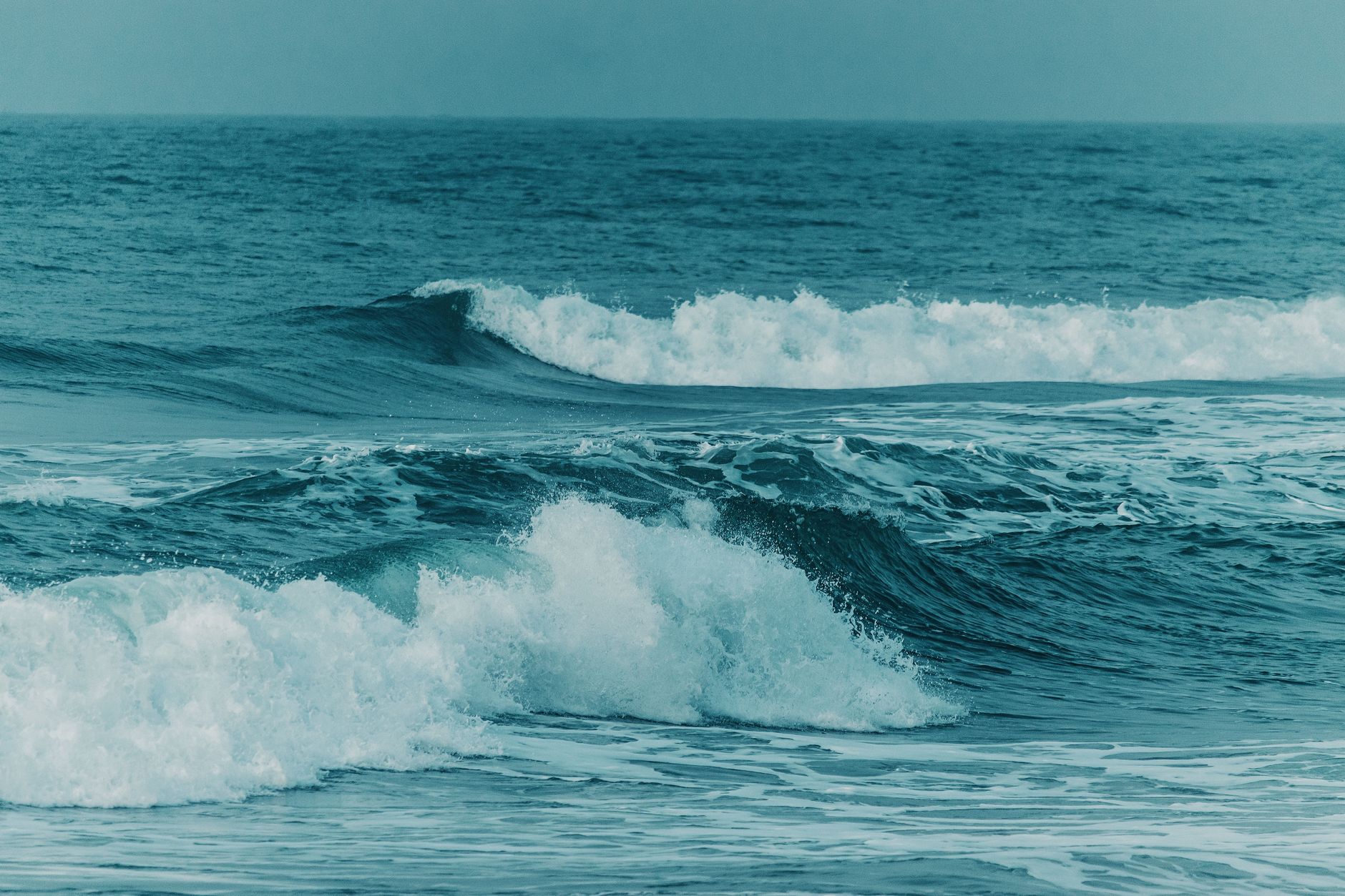
February represents the peak of the dry, calm Northeast Monsoon across the central Indian Ocean and the continuation of midsummer warmth across the Southern Pacific. For expedition travelers, February is one of the most rewarding months of the year to observe marine megafauna, combining tranquil lagoon conditions in the Maldives with massive turtle hatchling emergences along Australian coral cays.
                  GLOBAL FEBRUARY SNORKELING MATRIX
┌────────────────────────┬─────────────┬─────────────┬─────────────────────┐
│ Ocean Basin            │ Water Temp  │ Visibility  │ Seasonal Highlights │
├────────────────────────┼─────────────┼─────────────┼─────────────────────┤
│ Maldives (Atolls)      │ 28°C – 29°C │ 25m – 40m   │ Northeast Monsoon   │
│ Southern Great Barrier │ 27°C – 29°C │ 15m – 25m   │ Peak Hatchling Run  │
│ Pacific Central America│ 27°C – 29°C │ 12m – 20m   │ Dry Season Verano   │
│ Red Sea (Egypt)        │ 22°C – 24°C │ 20m – 30m   │ Calm Morning Flats  │
│ Caribbean & Bahamas    │ 25°C – 26°C │ 15m – 25m   │ Winter Trade Winds  │
└────────────────────────┴─────────────┴─────────────┴─────────────────────┘
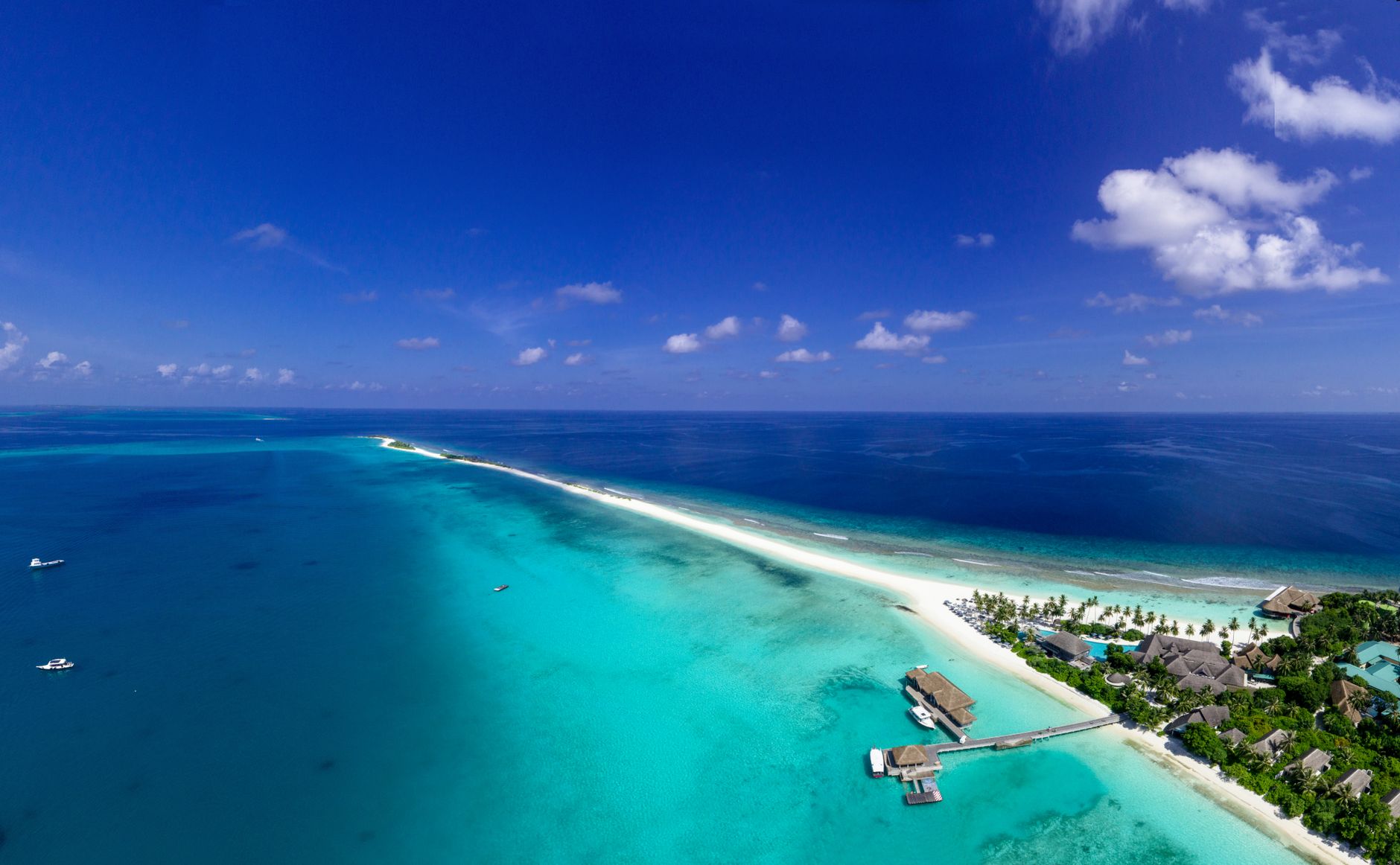
In the Indian Ocean, the Northeast Monsoon (locally known as the Iruvai) brings dry, settled weather, calm seas, and exceptional underwater visibility exceeding 30 meters to the eastern and northern atolls of the Maldives.
In the Southern Hemisphere, warm sea temperatures persist between 27°C and 29°C across the Coral Sea and Western Australia. In the Northern Hemisphere tropics (Caribbean, Hawaii, Red Sea), water temperatures reach their annual minimum (23°C to 26°C), requiring morning swimmers to plan around solar warming and light offshore breezes.
Key Chelonian Wildlife Phenomena in February
       FEBRUARY BIOLOGICAL CALENDAR HIGHLIGHTS
═════════════════════════════════════════════════════════════════════
  🐢 Maldives (Lhaviyani & Baa)  ──► Exceptional visibility & reef foraging
  🐢 Southern Great Barrier Reef ──► Massive Green & Loggerhead hatchling runs
  🐢 Pacific Costa Rica          ──► Calm inshore bays & Olive Ridley feeding
  🐢 Coral Triangle (Indonesia)  ──► Resident drift snorkeling in Gili Meno
═════════════════════════════════════════════════════════════════════
1. The Maldives Northeast Monsoon (Iruvai)
February is widely regarded as the finest month of the year for snorkeling in the Maldives. Ocean currents driven by the Northeast Monsoon push clear, nutrient-rich oceanic water through atoll channels. In areas like Kuredu Caves (Lhaviyani Atoll) , dozens of resident Green sea turtles congregate along outer reef drop-offs and shallow coral gardens in 2 to 6 meters of crystal-clear water.
2. Peak Hatchling Season on Australian Coral Cays
Across the southern Great Barrier Reef (including Heron Island and Lady Elliot Island) and Western Australia’s Ningaloo coast, February is the absolute zenith of the turtle hatching season. Thousands of newly emerged Green and Loggerhead hatchlings scramble across coral sand cays at sunset, making their perilous journey into the warm sea under the watchful guidance of national park rangers.
3. Central American Pacific “Verano”
Along the Pacific coastline of Costa Rica (Golfo Dulce, Papagayo, and Manuel Antonio), February brings dry, sunny weather with minimal rainfall runoff. Nearshore waters clear up, allowing snorkelers to observe resident Olive Ridley and Pacific Green turtles feeding along rocky points and volcanic reefs.
Top 5 Audited Sanctuaries to Visit in February
  1. Kuredu Caves & House Reef (Lhaviyani, Maldives) ──► 98% Sighting Rate
  2. Heron Island (Queensland, Australia)            ──► 98% Sighting Rate
  3. Gili Meno (Lombok, Indonesia)                   ──► 95% Sighting Rate
  4. Apo Island (Negros Oriental, Philippines)       ──► 95% Sighting Rate
  5. Buck Island Reef (St. Thomas / USVI)            ──► 92% Sighting Rate
1. Kuredu Caves & Lagoon, Maldives
Kuredu island in Lhaviyani Atoll hosts one of the largest resident Green turtle populations in the Indian Ocean. In February, the surrounding lagoon resembles a swimming pool with water temperatures of 28°C and visibility reaching 30 meters. You can observe turtles resting on underwater coral ledges and grazing on seagrass beds just a few fin-strokes from the beach.
2. Heron Island, Australia
Heron Island is a true coral cay situated directly on the Great Barrier Reef. In February, the island’s shallow reef flats are teeming with juvenile and adult Green and Loggerhead turtles . At dusk, guided beach walks allow guests to watch clutches of hatchlings emerge from the dunes and enter the calm lagoon waters.
3. Gili Meno (Turtle Point), Indonesia
Located between Bali and Lombok, the tiny island of Gili Meno is surrounded by shallow coral reefs and white sand flats. In February, clear morning waters allow snorkelers to drift effortlessly along the reef slope, watching wild Green and Hawksbill turtles feeding in 2 to 5 meters of depth.
4. Apo Island, Philippines
Apo Island is a world-renowned community marine sanctuary off the coast of Negros Oriental. In February, calm weather delivers exceptional clarity over the island’s shallow volcanic pebble beach, where dozens of wild Green turtles graze on algae in water less than 2 meters deep.
5. Buck Island (Turtle Cove), St. Thomas
Situated a short boat ride from Charlotte Amalie, Buck Island National Wildlife Refuge is famous for its sheltered cove where juvenile Green turtles forage across lush seagrass beds in calm Caribbean waters.
The February Morning Snorkel Routine
                  FEBRUARY EXPEDITION SCHEDULE
  ┌─────────────────────────────────────────────────────────────┐
  │ 07:00 AM ──► Early breakfast & equipment check              │
  │ 07:30 AM ──► Check tidal movement & surface conditions      │
  │ 08:00 AM ──► WATER ENTRY: Glassy surface, optimal lighting  │
  │ 09:00 AM ──► 60 minutes of passive, respectful observation  │
  │ 09:30 AM ──► Exit before mid-morning breeze and boat tours  │
  └─────────────────────────────────────────────────────────────┘
February brings pleasant daytime temperatures to tropical regions, but afternoon thermal trade winds can create light surface waves. Timing your water entry between 07:30 AM and 09:30 AM guarantees the calmest surface conditions, the highest light penetration for photography, and solitary reef encounters before larger tour groups arrive.
Essential Gear & Packing Strategy for February
- UV & Thermal Protection: Tropical sun remains intense throughout February. Wear a long-sleeve UPF 50+ rashguard and apply certified reef-safe non-nano zinc sunscreen to avoid chemical pollution in pristine coral lagoons.
- Optical Equipment: A low-volume silicone mask with anti-fog treatment and a dry-top snorkel are essential for clear, comfortable viewing in ocean swell.
- Underwater Photography: Pair your action camera with a 6-inch dome port to capture split over-under shots of turtles grazing beneath the surface while showcasing atoll islands above.