Biological Profile & Identification
The Hawksbill Sea Turtle (Eretmochelys imbricata) is the most colorful of all marine turtles and one of the most ecologically vital residents of tropical coral reefs. Named for its narrow, pointed, bird-like beak, the Hawksbill has evolved a specialized biological toolkit to navigate tight coral crevices, undercut ledges, and steep drop-offs. Its amber, black, and gold carapace scutes were targeted for centuries to produce luxury “tortoiseshell” ornamental goods, driving global populations into severe decline.
       HAWKSBILL TURTLE (Eretmochelys imbricata) ANATOMICAL MARKERS
═════════════════════════════════════════════════════════════════════
  [ Head ]       ──► 2 pairs of prefrontal scales & sharp curved beak
  [ Carapace ]   ──► Overlapping (imbricate) scutes with serrated edge
  [ Diet ]       ──► Silica glass sponges & encrusting cnidarians
  [ Flippers ]   ──► 2 visible claws on each front flipper
═════════════════════════════════════════════════════════════════════
Anatomical Characteristics
Four distinct morphological characteristics separate Hawksbills from all other sea turtles:
- Raptor-Like Curved Beak: A narrow, tapering snout and sharp keratinous beak engineered to reach deep into narrow fissures and crack into fibrous, glass-spicule-laden sponges.
- Two Pairs of Prefrontal Scales: Unlike Green turtles (which have one pair), Hawksbills display two pairs of scales on top of the head between the eyes.
- Overlapping (Imbricate) Shell Scutes: The thick keratinous scutes of the carapace overlap like roof shingles from front to back. In juveniles and young adults, the posterior edge of the shell has pronounced, saw-tooth serrations.
- Dual Flipper Claws: Each front flipper bears two distinct claws used to grip coral heads and anchor against surge while feeding.
Adult Dimensions & Weight
Hawksbills are medium-sized marine turtles. Adults typically measure between 70 and 95 centimeters in straight carapace length (SCL) and weigh between 50 and 85 kilograms. While substantially smaller than Green or Loggerhead turtles, their lighter build gives them exceptional maneuverability among complex three-dimensional coral reef structures.
Feeding Ecology: The Coral Reef Spongivore
The Hawksbill occupies an unusual dietary niche among marine vertebrates. While most marine animals avoid sponges due to their toxic chemical compounds and internal skeletons of sharp glass (silica spicules), the Hawksbill feeds almost exclusively on demosponges.
                  THE REEF SPONGE CONTROL CYCLE
  ┌─────────────────────────────────────────────────────────────┐
  │ 1. Sponges compete aggressively with slow-growing hard coral│
  │ 2. Hawksbill bites away dense, toxic sponge tissue          │
  │ 3. Cleared substrate opens space for larval coral settlement│
  │ 4. Exposed sponge interiors provide food for reef fish      │
  │ 5. Overall coral diversity and reef structural health rises │
  └─────────────────────────────────────────────────────────────┘
Dietary Specialization & Sponge Toxicity
A single adult Hawksbill consumes more than 500 kilograms of sponges each year. Preferred prey species include Chondrilla nucula, Geodia neptuni, and Atergatis sponges, many of which contain lethal concentrations of bio-toxic alkaloids and silica needles.
The Hawksbill’s digestive tract is lined with thick keratinized papillae and heavy mucus coatings that prevent microscopic glass needles from piercing the esophagus and stomach lining. Because the turtle accumulates toxic compounds in its tissues without ill effect, consuming Hawksbill meat (chelonitoxism) is frequently fatal to humans.
By selectively cropping fast-growing sponges that compete with reef-building corals (Scleractinia) for space and sunlight, Hawksbills prevent sponges from smothering living coral reefs. Their feeding also tears open tough outer sponge layers, making inner tissues accessible to angelfish, parrotfish, and wrasses.
Geographic Distribution & Habitat Preferences
Hawksbill turtles are the most tropical of all sea turtles, rarely venturing outside warm equatorial waters. They inhabit the Atlantic, Indian, and Pacific Oceans between 30°N and 30°S latitude, centering primarily around living coral reef systems, rocky reefs, and mangrove estuaries.
       CORE HAWKSBILL HABITATS & SANCTUARIES
┌────────────────────────┬─────────────────────────────────────────────────┐
│ Ocean Basin            │ Audited Snorkeling & Diving Sanctuaries         │
├────────────────────────┼─────────────────────────────────────────────────┤
│ Caribbean Basin        │ Hol Chan (Belize), Cozumel, Carlisle Bay        │
│ Western Indian Ocean   │ Curieuse (Seychelles), Mnemba (Zanzibar)        │
│ Coral Triangle         │ Derawan, Komodo, El Nido (Philippines)          │
│ Arabian Sea & Gulf     │ Daymaniyat Islands (Oman)                       │
│ Great Barrier Reef     │ Heron Island, Lady Elliot Island, Cairns Outer  │
└────────────────────────┴─────────────────────────────────────────────────┘
Post-pelagic juveniles move into shallow coral patch reefs and mangrove creeks, using dense mangrove prop roots for shelter against large apex predators like tiger sharks.
Reproductive Biology & Nesting Ecology
Low-Density & Solitary Nesting Strategy
Unlike Olive Ridleys that nest en masse (arribadas), Hawksbills are solitary nesters. Females emerge alone under cover of darkness, frequently choosing small, pocket beaches flanked by dense coastal vegetation and maritime forest rather than wide open sand spits.
  Hatchling Crawl (4 cm) ──► Pelagic Drift (Sargassum & Drift Lines)
            ▲                                    │
            │                                    ▼
  Pocket Beach Nesting ◄──── Coral Reef Recruitment (30-40 cm Carapace)
Females crawl high up the beach into the maritime vegetation (Ipomoea pes-caprae, sea grape, and coastal palms), where roots stabilize the sand. Using their rear flippers, they excavate deep egg chambers and deposit clutches of 120 to 180 eggs. Because Hawksbill eggs are smaller than those of other marine turtles, clutch counts can exceed 200 eggs in large females.
Maturation & Breeding Cycles
Hawksbills exhibit one of the slowest growth rates among marine reptiles. Individuals require between 25 and 35 years to reach reproductive maturity in the wild. Females return to breed every 2 to 3 years, depositing 3 to 5 clutches across a two-month nesting window before migrating back to resident coral reef territories.
Conservation Status & Environmental Threats
Tracked globally by the State of the World’s Sea Turtles (SWOT) and Sea Turtle Conservancy , the IUCN Red List classifies Eretmochelys imbricata as Critically Endangered, marking a global population reduction of more than 80% over the last three generations.
  PRIMARY THREAT VECTORS FOR HAWKSBILLS
  ═══════════════════════════════════════════════════════════════════
  1. The Tortoiseshell Trade   ──► Illegal harvest for jewelry and combs
  2. Coral Bleaching & Loss    ──► Mass loss of sponge-bearing reefs
  3. Coastal Gillnet Bycatch   ──► Entanglement in shallow artisanal nets
  4. Marine Plastic Debris     ──► Ingestion of clear plastic bags
  5. Beachfront Development    ──► Loss of vegetated pocket nesting dunes
  ═══════════════════════════════════════════════════════════════════
The Bekko and Tortoiseshell Trade
For over a millennium, Hawksbill scutes were harvested to create jewelry, hair ornaments, guitar picks, and decorative boxes. Japan imported hundreds of metric tons of bekko (Hawksbill shell) until international trade was banned under CITES Appendix I. Despite legal bans, black-market shell trade persists in parts of Southeast Asia, Central America, and the Caribbean.
Coral Reef Degradation & Ocean Warming
Because Hawksbills are obligate coral reef dwellers, coral bleaching caused by marine heatwaves threatens their primary habitat. When coral reef architecture collapses, the complex three-dimensional hiding places and sponge communities that Hawksbills rely on disappear.
Top Audited Sanctuaries for Swimming with Hawksbills
To encounter wild Hawksbills feeding along pristine coral structures, these audited destinations provide regular sightings:
- Hol Chan Marine Reserve, Belize : Snorkel through narrow cuts in the Mesoamerican Barrier Reef where resident Hawksbills cruise among brain coral heads and sea fans.
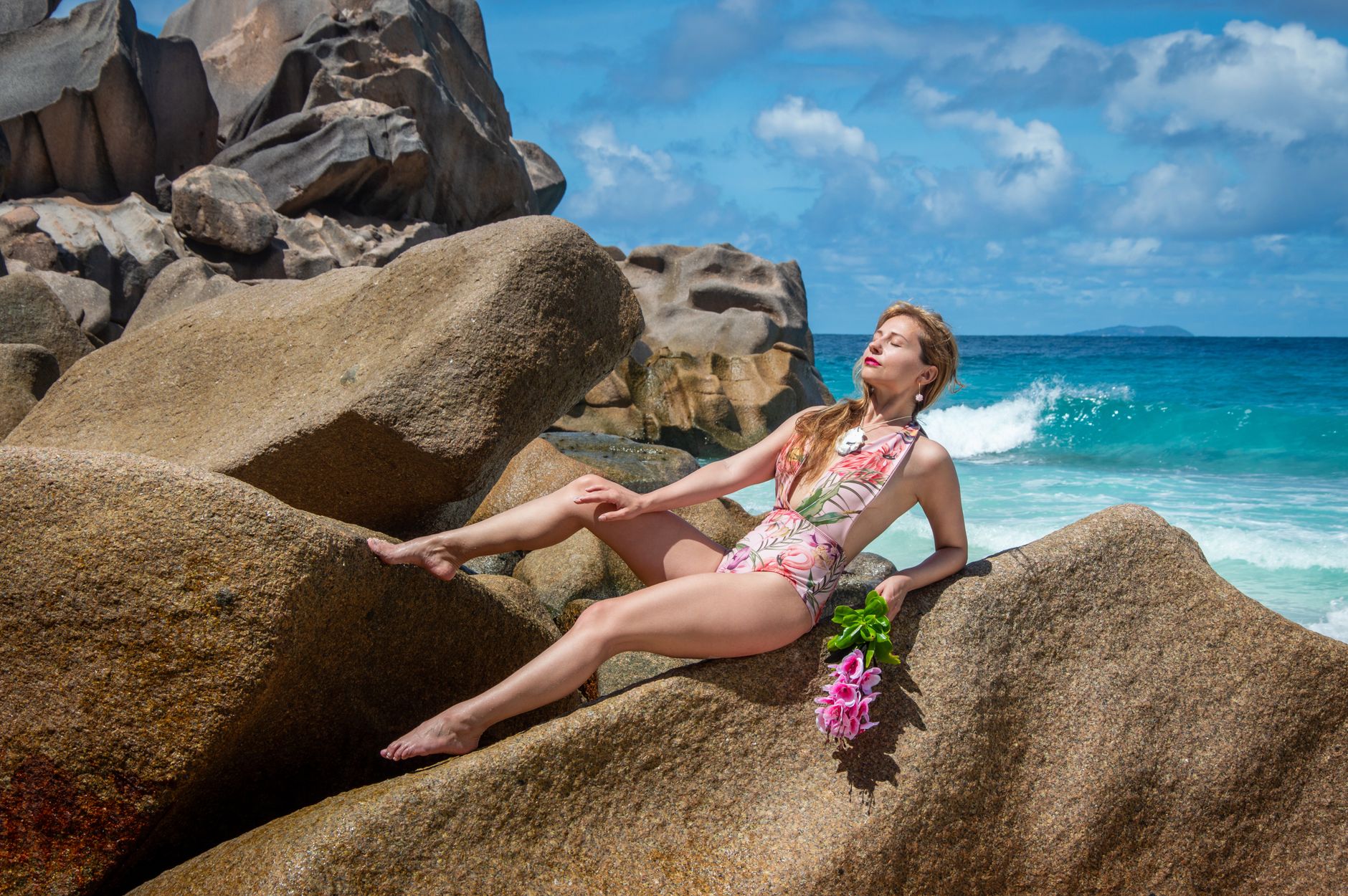
- Curieuse & Sainte Anne, Seychelles : Granite boulder reefs in the Western Indian Ocean hosting healthy resident populations of Hawksbills feeding in 2 to 5 meters of clear water.
- Carlisle Bay, Barbados : A sheltered Caribbean bay with shallow historic shipwrecks where curious Hawksbills forage alongside Green turtles.
- Daymaniyat Islands, Oman : An uninhabited nature reserve in the Gulf of Oman with dramatic coral walls and high Hawksbill density.
- Cozumel (Palancar Reef), Mexico : Clear Caribbean drift snorkeling over massive coral pinnacles frequented by mature Hawksbill turtles.
Ethical Snorkeling Protocol for Hawksbills
       CORAL REEF ENCOUNTER RULES
┌─────────────────────────────────────────────────────────────┐
│ • Maintain a 3-meter buffer; never corner a turtle in a cave│
│ • Never reach into crevices or touch overlapping shell scutes│
│ • Keep fins well off coral substrate (use horizontal trim)  │
│ • Avoid flash photography on vertical drop-offs            │
│ • Wear UPF 50+ rashguards to eliminate chemical sunscreen    │
└─────────────────────────────────────────────────────────────┘
Because Hawksbills feed close to delicate coral structures, maintain clean horizontal buoyancy at the surface. Avoid standing on coral heads or kicking downward, which breaks living coral colonies and stirs up sediment that settles on filter-feeding sponges.
Equip yourself with a high-definition anti-fog mask and a long-sleeve UPF rashguard to remain protected in the water without applying chemical lotions that harm coral polyps.