

Overview: The Granite Sanctuary of the Seychelles
Scattered across the turquoise heart of the western Indian Ocean, the granitic inner islands of the Republic of Seychelles are an evolutionary wonderland. Chief among its marine treasures are two world-renowned national parks: Curieuse Marine National Park (-4.2833° S, 55.7167° E), nestled just off the northern coast of Praslin, and Sainte Anne Marine National Park, situated 5 kilometers offshore from the capital island of Mahé.
Curieuse Island is a biological paradise where two chelonian realms meet. On land, over 300 free-roaming Aldabra Giant Tortoises (Aldabrachelys gigantea) wander beneath the canopy of endemic Coco de Mer palms. In the surrounding sapphire waters, protected by the Seychelles National Parks Authority (SNPA), flourishing coral gardens around St. Pierre Islet, Baie Laraie, and Anse José host the highest density of wild Hawksbill sea turtles (Eretmochelys imbricata) and Green Sea Turtles (Chelonia mydas) in the Indian Ocean.
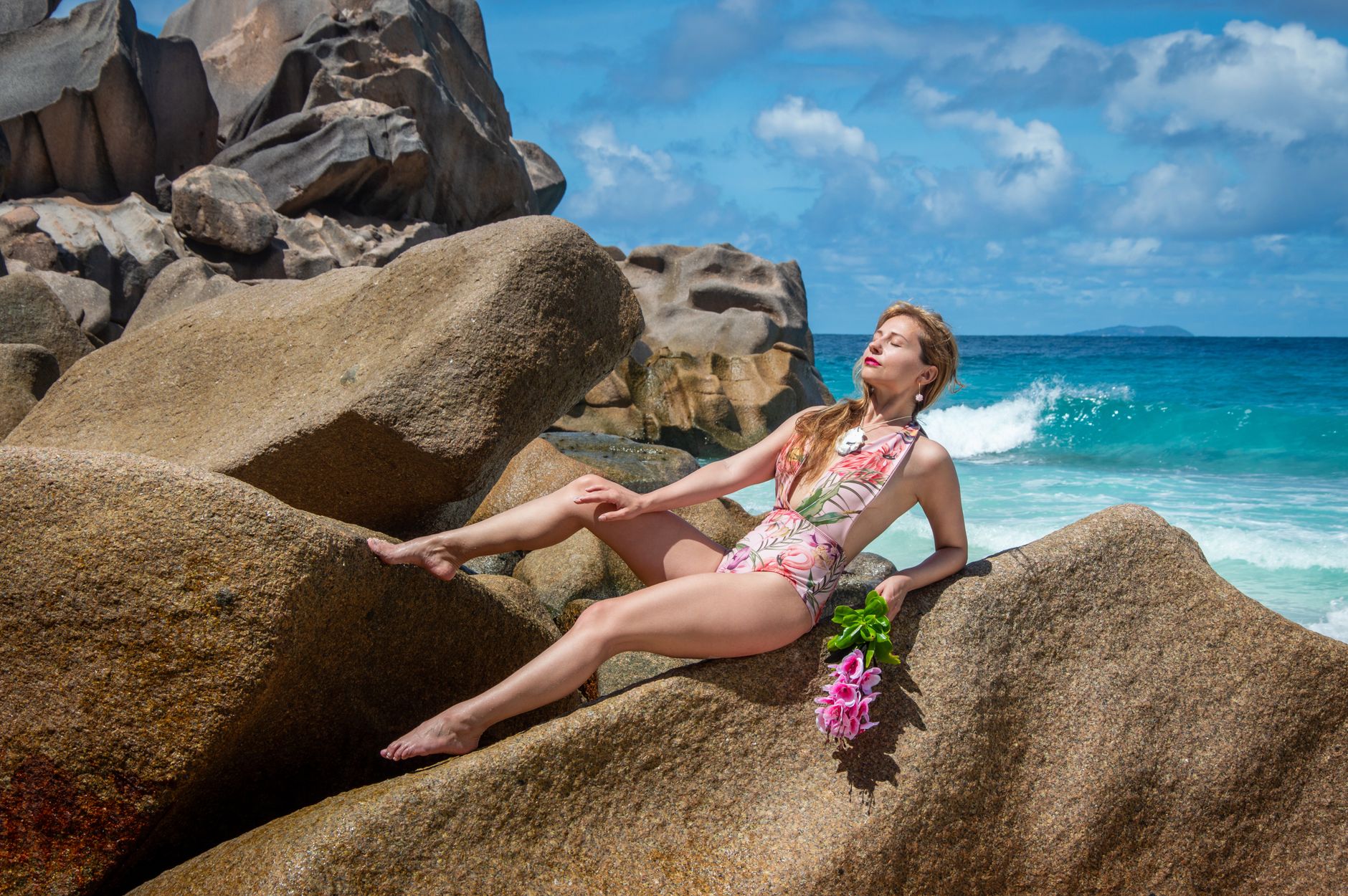
Unlike uniform barrier reefs, snorkeling in the Seychelles takes place around colossal, sculpted pink-granite boulders encrusted with hard corals, sea fans, and vibrant sponges. In just 2 to 6 meters of gin-clear water, snorkelers regularly float alongside 5 to 10 wild Hawksbills as they forage peacefully among the granite fissures.
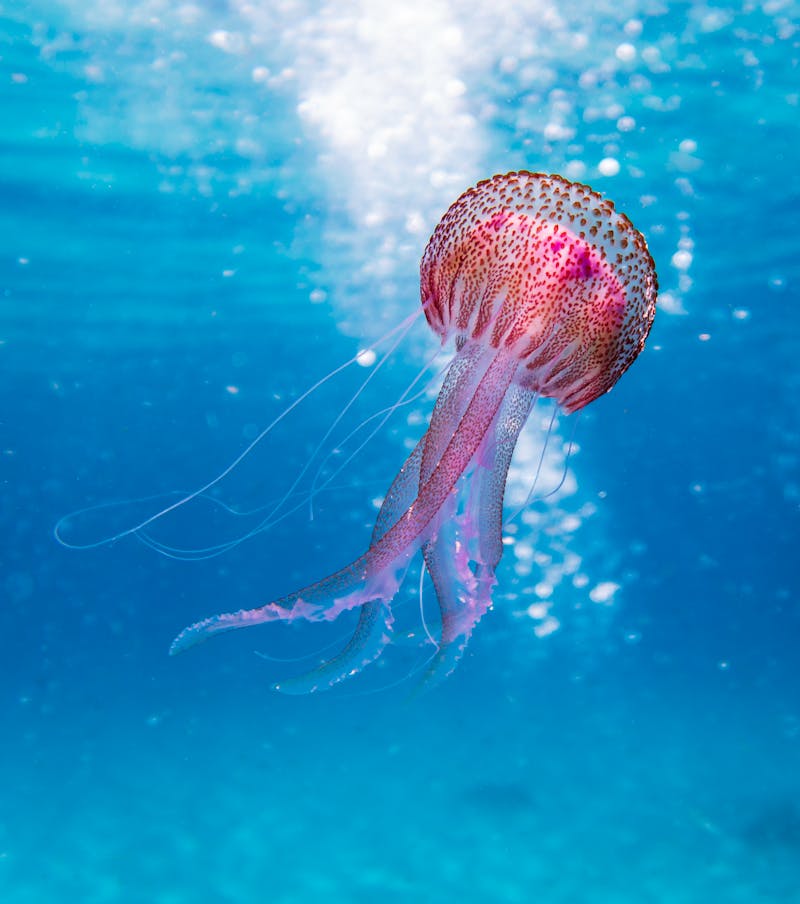
Praslin: Curieuse Island & St. Pierre Turtle Snorkel Catamaran
All-inclusive catamaran cruise from Praslin to Curieuse Island with giant tortoise sanctuary walk, Creole BBQ lunch, guided St. Pierre turtle snorkel, and SNPA fees.
Marine Biology: The Hawksbill Breeding Capital
The granitic reefs of Curieuse and Sainte Anne provide the premier nesting and feeding habitat for Hawksbill sea turtles in the Western Indian Ocean.
                    [ SEYCHELLES GRANITIC REEF ECOLOGY ]
                                      │
        ┌─────────────────────────────┴─────────────────────────────┐
        ▼                                                           ▼
 [ HAWKSBILL SEA TURTLE ]                                  [ GREEN SEA TURTLE ]
  (Eretmochelys imbricata)                                  (Chelonia mydas)
        │                                                           │
        ▼                                                           ▼
 Encrusting Sponges on Granite Boulders                    Benthic Seagrass Beds (Thalassodendron)
 (Spirastrella & Chondrilla)                                (Baie Laraie & Sainte Anne Channel)
1. Hawksbill Sea Turtle (Eretmochelys imbricata) Dynamics
Seychelles is home to the largest breeding population of Hawksbills in the Western Indian Ocean. Between October and February, female Hawksbills exhibit a rare behavior: they nest primarily during broad daylight on the white coral beaches of Curieuse, Anse Georgette, and Cousin Island. In the water, Hawksbills feed on encrusting demosponges that coat the submerged granite boulders, using their narrow bird-like beaks to lever sponges from rock crevices.
2. Green Sea Turtle (Chelonia mydas) Dynamics
Green turtles forage in the shallow, sheltered seagrass flats of Baie Laraie (Curieuse) and the Sainte Anne Channel, grazing on lush beds of Thalassodendron ciliatum and Syringodium isoetifolium.
3. Granite Seascape Fauna
Snorkeling around the granite stacks of St. Pierre Islet reveals an extraordinary ecosystem:
- Whitetip Reef Sharks (Triaenodon obesus): Sleeping on sand patches between granite boulders.
- Eagle Rays (Aetobatus ocellatus): Gliding gracefully across the sandy channels.
- Batfish & Sweetlips: Schooling fearlessly around the coral-encrusted rocks.
- Powder Blue Surgeonfish (Acanthurus leucosternon): Grazing on microalgae alongside feeding turtles.
Reef Bathymetry & Snorkel Maps
 [ PRASLIN COAST (Anse Volbert) ]
                 │
                 ▼ (Boat Transit: 10 min)
   ┌────────────────────────────────────────────────────────┐
   │             ST. PIERRE GRANITE ISLET                   │
   │  Depth: 2.0m – 8.0m                                    │
   │  - Colossal Granite Boulders                           │
   │  - Hawksbill Turtles, Moorish Idols, Parrotfish        │
   └────────────────────────────────────────────────────────┘
                 │
                 ▼ (Boat Transit: 5 min)
   ┌────────────────────────────────────────────────────────┐
   │           CURIEUSE ISLAND (Baie Laraie)                │
   │  Depth: 1.5m – 4.5m                                    │
   │  - Sheltered Seagrass Flats & Coral Gardens            │
   │  - Grazing Green Turtles & Juvenile Lemon Sharks       │
   │  - Giant Tortoise Sanctuary on Land                    │
   └────────────────────────────────────────────────────────┘
| Zone | Depth Profile | Topography | Marine Highlights |
|---|---|---|---|
| St. Pierre Islet | 2.0 – 8.0 m | Submerged granite boulders & hard corals | Highest concentration of foraging Hawksbill turtles, batfish, eagle rays. |
| Baie Laraie (Curieuse) | 1.0 – 3.5 m | Shallow sandy bay with seagrass meadows | Green turtles grazing, juvenile sicklefin lemon sharks, giant stingrays. |
| Anse José (Curieuse) | 1.5 – 5.0 m | Pristine white sand beach & coral reef | Historic Doctor’s House museum, snorkeling with Hawksbill turtles. |
| Sainte Anne Marine Park | 2.0 – 12.0 m | Granite reef walls & sprawling coral gardens | Green turtles, stingrays, rich reef biodiversity near Mahé. |
Logistics: How to Get to Curieuse & Sainte Anne
                  [ SEYCHELLES AIRPORT (SEZ - MAHÉ) ]
                                   │
            ┌──────────────────────┴──────────────────────┐
            ▼ (15 min Flight / 60 min Ferry)              ▼ (15 min Boat)
   [ Praslin Island (Cote D'Or) ]                [ Sainte Anne Marine Park ]
            │                                             │
            ▼ (10 min Boat)                               ▼
   [ Curieuse Marine National Park ]             [ Moyenne & Cerf Islands ]
- Reaching Curieuse from Praslin: Speedboats and catamarans depart daily from Anse Volbert (Cote D’Or Beach) or Baie Ste Anne on Praslin. Transit time is just 10 to 15 minutes.
- Reaching Sainte Anne from Mahé: Excursions depart daily from Victoria Harbor / Eden Island Marina on Mahé (approx. 15 minutes transit).
- SNPA Park Conservation Fee: Entry to Curieuse Marine National Park requires an official SNPA conservation ticket (SCR 300 / ~$25 USD per person), which supports tortoise breeding programs and ranger patrols.
Expedition Routine: A Full Day on Curieuse & St. Pierre
Beach Boarding at Anse Volbert (Praslin)
Meet your skipper and marine guide at Cote D’Or Beach. Board the custom shaded speedboat or luxury sailing catamaran.St. Pierre Islet Guided Turtle Snorkel
Moor beside the postcard-perfect granite rocks of St. Pierre. Float in 30-meter visibility, watching 4 to 8 wild Hawksbill turtles foraging on sponge-covered granite boulders.Curieuse Island Landing & Giant Tortoise Encounter
Disembark at Baie Laraie on Curieuse Island. Walk among hundreds of free-roaming Aldabra Giant Tortoises, observing these ancient gentle giants in their natural coastal habitat.Mangrove Boardwalk Trek to Anse José
Take a guided 45-minute trek across the island’s elevated wooden boardwalk through pristine mangrove forests, spotting giant land crabs and rare bird species.Beachfront Creole BBQ Lunch
Arrive at the powdery sands of Anse José for a traditional Seychellois Creole beach barbecue: grilled red snapper, chicken skewers, coconut rice, and fresh papaya salad.Afternoon Coral Snorkel & Return Sail
Take a final relaxed snorkel off Anse José beach before cruising back to Praslin as the sun illuminates the granite coast.Seychelles Environmental Regulations (SNPA Marine Park Rules)
Curieuse and Sainte Anne Marine National Parks are strictly protected under the National Parks and Nature Conservancy Act managed by the Seychelles National Parks Authority (SNPA).
SPGA Statutory Wildlife Regulations:
- 3-meter standoff buffer : All swimmers must maintain at least 3 meters of clearance from marine turtles in the water.
- Zero Touching or Harassment: Touching, restraining, riding, or chasing turtles (marine or terrestrial) is strictly illegal under Seychelles law.
- Mangrove Boardwalk Rule: Visitors must stay on the designated wooden boardwalks to avoid trampling delicate mangrove roots and turtle nesting dunes.
- reef-safe sunscreen Mandate: Chemical sunscreens containing oxybenzone are prohibited to preserve fragile coral polyps.
- Penalties: Violations of marine national park regulations carry severe fines up to SCR 50,000 (~$3,800 USD) and immediate revocation of visitor permits.
Local Operators Comparison Matrix
| Operator | Base Location | Primary Specialty | Vessels & Inclusions | Contact & Booking |
|---|---|---|---|---|
| Octopus Diver Praslin | Cote D’Or, Praslin | Small-group diving & specialized Curieuse snorkel safaris | Custom 36ft twin-engine dive catamarans, PADI 5-Star resort | octopusdiver.com / +248 259 6815 |
| Angel Tours Seychelles | Baie Ste Anne, Praslin | Full-day Curieuse & St. Pierre Creole BBQ charters | Modern shaded speedboats, fresh Creole lunch, SNPA permits | angeltours.sc / +248 251 5599 |
| Kreol Services Seychelles | Cote D’Or Beach | Private and VIP catamaran excursions | Luxury catamarans, customized private itineraries | kreolservices.sc / +248 261 8568 |
Seasonal Weather & Water Conditions
Month       Jan   Feb   Mar   Apr   May   Jun   Jul   Aug   Sep   Oct   Nov   Dec
Water (°C)   28    28    29    30    29    27    26    26    27    28    29    28
Visibility  25m   25m   30m   40m   35m   20m   20m   20m   25m   35m   35m   30m
Hawksbills  ███   ███   ███   ███   ███   ███   ███   ███   ███   ███   ███   ███
Nesting     ███   ███                                           ██    ███   ███
Calm Seas   ███   ███   ███   ████  ██    ░░    ░░    ░░    ▒▒    ████  ███   ███
- March to May & October to November (Inter-Monsoon Calm Windows): The absolute best times to visit the Seychelles. Winds drop to zero, creating glass-like seas, water temperatures around 28–30°C, and sensational underwater visibility reaching up to 40 meters.
- October to February (Hawksbill Nesting Season): Female Hawksbills frequently nest on the beaches during daylight hours.
Essential Gear & Packing Recommendations
- Low-Volume Frameless Mask: Clear silicone skirt provides maximum light transmission over granite reefs.
- UPF 50+ rashguard : Essential protection against equatorial UV rays during boat transits and snorkeling.
- Flexible Full-Foot Fins: Allows easy navigation around granite boulders without tiring.
- Reef-Safe Mineral Zinc Sunscreen: Eco-certified to protect delicate Seychellois corals.
- GoPro Action Camera with Red Snorkel Filter: Capture stunning 4K footage of Hawksbills against pink granite backdrops.
Red Flags & What to Avoid at Curieuse Island
Red Flags & What to Avoid at Curieuse Marine National Park & St. Pierre Islet (Praslin)
Independent critique, common tourist traps, and local marine compliance advisories.
At Curieuse Marine National Park & St. Pierre Islet (Praslin), underwater clarity is highest during Morning calm 08:30-12:30 (20–40m). By late morning, coastal winds kick up chop and tourist activity stirs bottom sediments, cutting visibility significantly. Resident sea turtles typically retreat to deeper resting ledges once human traffic peaks.
Reaching Curieuse Marine National Park & St. Pierre Islet (Praslin) requires vessel transit. Avoid booking unregulated freelance boats that lack emergency marine VHF radios, licensed skippers, lifejackets, and insurance. Only book vetted operators with certified guides to ensure safe mooring and eco-compliant operations.
Wild sea turtles at Curieuse Marine National Park & St. Pierre Islet (Praslin) are protected by national marine sanctuaries. Mandatory 3-meter standoff buffer from wild marine turtles in the water. Touching, cornering, riding, or feeding turtles carries severe statutory wildlife fines, immediate park ejection, and potential legal prosecution under Seychelles conservation laws.
Chemical sunscreens containing oxybenzone, octinoxate, and octocrylene poison fragile coral polyps and marine turtle nursery habitats. Use exclusively certified 100% non-nano zinc oxide mineral sunscreens or wear UPF 50+ rashguards to prevent sunscreen wash-off in the protected reef zone.
Frequently Asked Questions & Direct Choice Field Guide
Guided Tour vs Independent Shore Snorkeling in Curieuse Island — Which should you book?
Book a guided excursion (from $114 USD) if you want guaranteed encounters, boat access to outer reefs, certified safety skippers, and high-quality snorkel gear; choose independent shore snorkeling ($25.00 USD) only if you are an experienced ocean swimmer equipped with your own reef-safe gear and comfortable navigating local shore breaks and current corridors.
Guided tours provide dedicated spotters who know current turtle feeding clusters, whereas independent snorkelers often waste hours searching murky shallows.
Early Morning vs Midday Snorkeling — When is turtle sighting probability highest?
Go during Morning calm 08:30-12:30, which delivers an optimal 98% sighting probability and crystal 20–40m underwater visibility before offshore trade winds churn bottom sediments and tourist crowds arrive.
After 11:00 AM, heavy boat traffic and hundreds of recreational swimmers stir up fine silt, reducing underwater clarity by up to 50% and driving grazing turtles into deeper offshore trenches.
Peak Season (October, November, December) vs Shoulder Months — When are water conditions best?
Visit during October, November, December for peak feeding activity, minimal rainfall, and warm sea temperatures ranging from 26°C to 30°C.
While resident sea turtles inhabit Curieuse Island year-round, booking morning excursions during peak months ensures calm surface conditions, though reserving tour slots 2–3 weeks ahead is essential to avoid sold-out capacity limits.
What are the statutory wildlife distance rules and legal penalties in Seychelles?
Swimmers must maintain a strict minimum 3-meter (10-foot) buffer from all sea turtles at all times under Seychelles marine conservation laws.
Touching, riding, pursuing, or cornering a turtle is a serious wildlife violation carrying steep statutory fines, immediate ejection from the marine sanctuary, and potential criminal prosecution. Always float neutrally with your arms crossed across your chest and allow turtles an unobstructed 45-degree surfacing corridor to breathe.
Where do Curieuse Island turtle tours depart from, and how do you reach the reef?
Most verified excursions depart directly from local harbor docks or designated beach kiosks near PRI airport, with reef access centered around GPS coordinates -4.2833, 55.7167.
If traveling independently by rental car or taxi, arrive at least 30 minutes before your scheduled departure to secure parking and complete mandatory marine sanctuary registration.